+86 15633683072
Choosing the right parameters is essential for stable orbital TIG welding. An orbital TIG welder can provide repeatable results, but welding current, travel speed, heat input, shielding gas, tungsten condition, and pipe geometry must be properly matched.
For orbital welding stainless steel pipe, even small changes in wall thickness or joint fit-up can affect penetration. Instead of using one fixed setting for every application, manufacturers normally develop qualified orbital welding parameters for specific materials and joint configurations.
This guide explains how current, travel speed, and heat input interact during the orbital TIG welding process.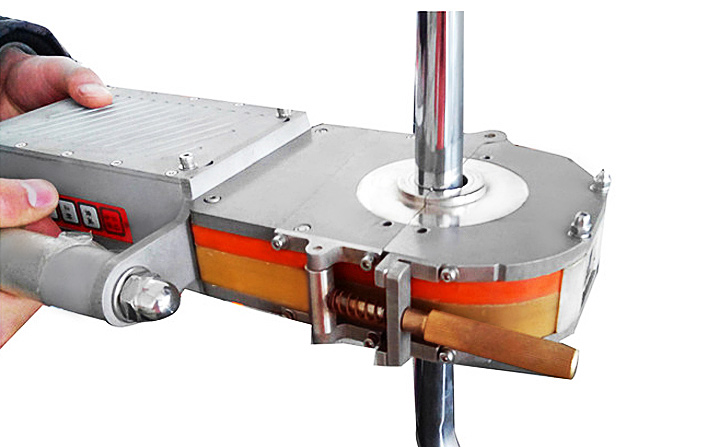
Orbital welding parameters are programmed settings that control how an orbital TIG welder performs a weld around a pipe or tube.
Typical parameters include:
The goal of orbital TIG welding is not simply to maximize current or speed, but to create a stable and repeatable welding process.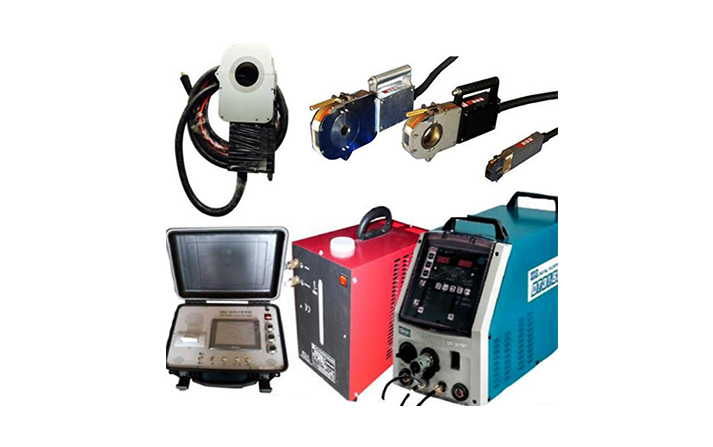
Higher current generally increases arc energy and penetration. It can be useful for thicker pipe walls, but excessive current may cause:
This is particularly important when orbital welding stainless steel pipe, especially thin-wall tubing.
Lower current can help control heat on thin materials. However, too little current may result in:
An orbital TIG welder should therefore be adjusted according to wall thickness, material, and joint geometry.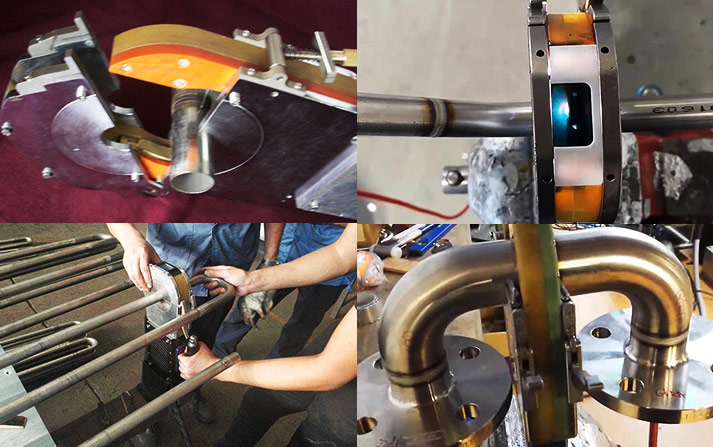
Travel speed determines how quickly the welding head moves around the pipe.
Faster travel generally reduces heat input and may help reduce:
However, excessive speed can cause insufficient penetration or lack of fusion.
Slower travel increases heat input and can improve penetration when properly controlled. Too slow, however, may cause overheating, excessive penetration, or oxidation.
For orbital TIG welding, current and travel speed should always be considered together.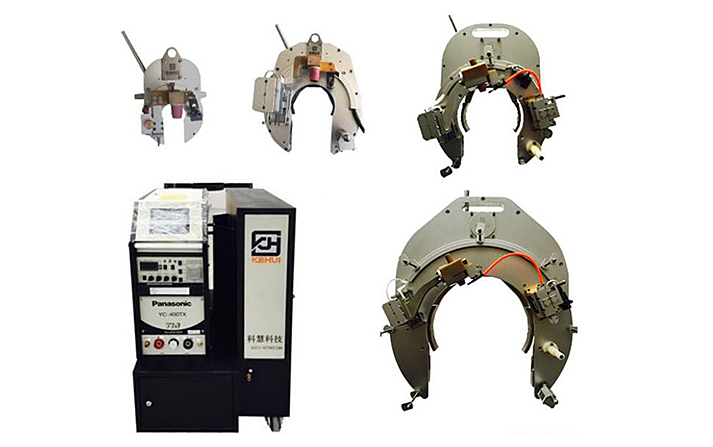
A simplified relationship is:
Heat Input ∝ Welding Current ÷ Travel Speed
Actual heat input also depends on arc voltage and process efficiency.
In simple terms:
Higher current + slower travel = higher heat input
Lower current + faster travel = lower heat input
This relationship is particularly important when developing orbital welding parameters for stainless steel pipe and tubing.
Orbital welding stainless steel pipe requires careful heat and oxidation control.
For common materials such as 304 and 316 stainless steel, parameter development should consider:
There is no universal parameter chart that works perfectly for every orbital welding stainless steel pipe application. Parameters should be tested and qualified for the specific joint.
A major advantage of an orbital TIG welder is the ability to divide the welding cycle into different zones.
Controlled starting parameters help establish a stable arc and weld pool.
Current and travel speed can be adjusted to maintain penetration and weld pool control.
Heat accumulation and gravity can affect the molten pool, so the welding program may compensate accordingly.
The system can control crater filling and the weld closure area to reduce defects.
This zoned approach makes orbital TIG welding more repeatable than manually moving a TIG torch around the pipe.
In a real factory, parameter development should follow a controlled process.
Identify:
Start with proven welding procedures or previous production experience.
Check penetration, bead appearance, oxidation, distortion, and weld dimensions.
If penetration is insufficient, evaluate current or travel speed instead of changing multiple parameters simultaneously.
Depending on the application, inspection may include visual inspection, dye penetrant testing, radiography, ultrasonic testing, or metallographic examination.
Only qualified programs should be used for production.
| Welding Problem | Possible Cause | Possible Adjustment |
|---|---|---|
| Burn-through | High heat input | Reduce current or increase speed |
| Lack of penetration | Low heat input | Increase effective heat input |
| Wide weld bead | Excessive heat | Increase speed or reduce current |
| Poor fusion | Insufficient heat | Adjust current/travel speed |
| Excessive oxidation | Poor shielding/purging | Check gas system |
| Irregular bead | Parameter or fit-up variation | Check program and joint |
These are general guidelines. Actual adjustments should be validated against the applicable welding procedure.
Changes in root gap can affect penetration even when the orbital welding parameters remain unchanged.
A contaminated or incorrectly prepared tungsten can reduce arc stability.
Insufficient shielding can cause oxidation, especially during orbital welding stainless steel pipe.
Thin-wall tubing generally requires tighter heat control than thicker pipe.
Temperature can change as the welding head travels around the circumference. A properly programmed orbital TIG welder can compensate through different welding zones.
A consistent orbital TIG welding process depends on more than current and travel speed.
Manufacturers should control:
Instead of asking, "What is the best current?", a better question is:
What combination of current, travel speed, heat input, shielding, and joint preparation produces a stable weld for this specific application?
This is the foundation of reliable orbital welding parameters development.
An orbital TIG welder provides precise control over welding movement and programmable parameters, but good results depend on the complete welding process.
For orbital welding stainless steel pipe, current, travel speed, heat input, shielding gas, fit-up, and material thickness must be considered together.
The most reliable approach to orbital TIG welding is to test representative joints, validate weld quality, and then use qualified parameters consistently in production.
The key orbital welding parameters include current, travel speed, arc voltage, pulse settings, shielding gas flow, and wire feed rate.
Current should be selected according to pipe material, diameter, wall thickness, joint design, and required penetration. There is no universal setting for every application.
Faster travel generally reduces heat input, while slower travel increases it. The correct balance helps maintain penetration and weld consistency.
For orbital welding stainless steel pipe, current, travel speed, shielding gas, purge quality, pulse settings, and heat input should be controlled carefully.
Excessive oxidation or inadequate shielding can cause discoloration. Check gas flow, internal purging, gas purity, cleanliness, and heat input.
Yes. Many systems divide the weld into zones and allow current, travel speed, or pulse settings to change at specific positions.
Maintain accurate fit-up, clean the joint, keep the tungsten in good condition, verify shielding gas, and use qualified orbital welding parameters.
Yes. Orbital TIG welding is widely used for thin-wall tubing when heat input, travel speed, shielding, and joint fit-up are properly controlled.
Zhengzhou Kehui Technology Co., Ltd
Email: info@zzkehui.com





 Chinese
 English
 OA
OA Current location:
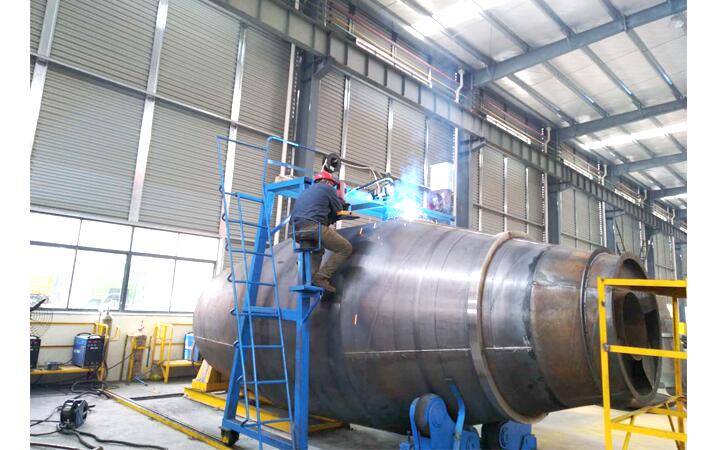 Concrete Mixer Drum Robotic Welding Solutions
 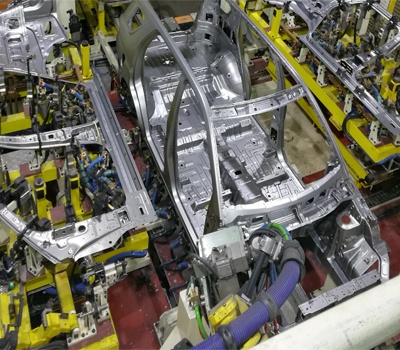 Automobile Body Production Line Welding Fixtures
 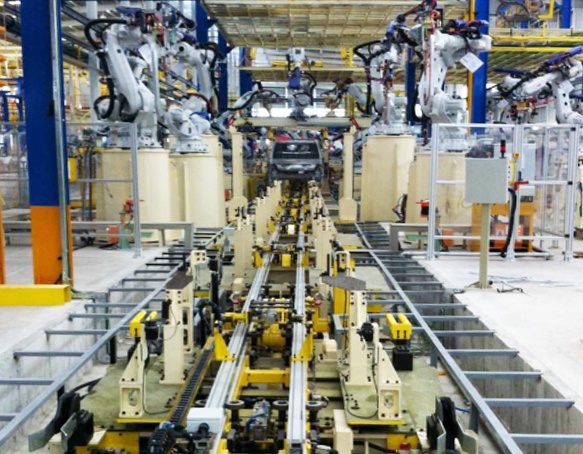 Automotive Body Welding Automated Manufacturing Solutions
 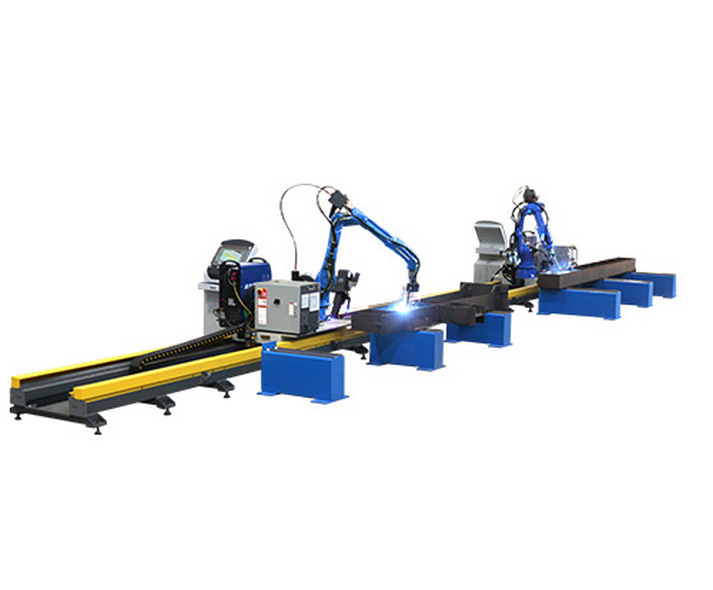 Free-Teaching Programming Welding Robot Cell For I Beam Welding
  No Programming Required Robotic Welding Systems for H beam Welding Line