+86 15633683072
Arc welding robots are not just mechanical arms performing repetitive movements.In modern manufacturing, arc welding robots are the result of two deeply integrated technologies working together to deliver accuracy, consistency, and productivity.
To truly understand arc welding in robotics, we need to look beyond the robot itself and focus on the core technologies that make arc welding automation reliable on a real production floor.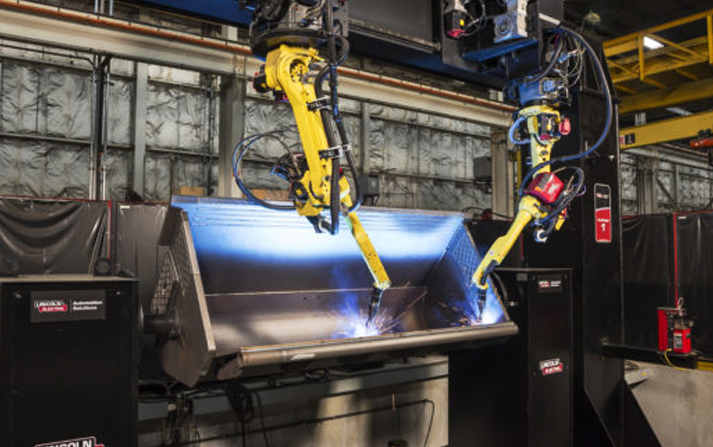
The first integrated technology behind arc welding robots is advanced robotic motion control.
Unlike simple point-to-point automation, arc welding in robotics requires continuous-path motion with strict control over:
Travel speed
Torch angle and orientation
Arc length stability
Synchronization with positioners or tracks
Modern arc welding robots use multi-axis coordinated motion, allowing the robot, external axes, and welding positioners to move as one system. This is critical in automated arc welding, where even small deviations can lead to undercut, lack of fusion, or excessive spatter.
Path intelligence also plays a key role. Robots must adapt to:
Long weld seams
Complex joint geometries
Repeated thermal distortion
Without precise motion planning, arc welding automation quickly loses its advantage over manual welding.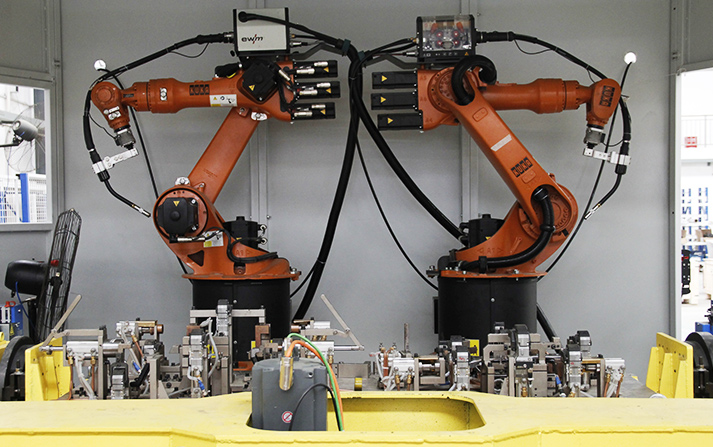
The second core technology integrated into arc welding robots is welding process control.
This is where automated arc welding truly differs from traditional robotic handling. The system must actively manage:
Welding current and voltage
Heat input and penetration
Arc stability during speed changes
Wire feed coordination
In professional arc welding automation, robots are tightly connected to intelligent welding power sources. Together, they form a closed-loop system capable of responding to real-time welding conditions.
Advanced arc welding in robotics setups may also integrate:
Arc voltage control (AVC)
Seam tracking sensors
Adaptive parameter adjustment
These technologies ensure consistent weld quality even when part tolerances vary—one of the biggest challenges in industrial welding.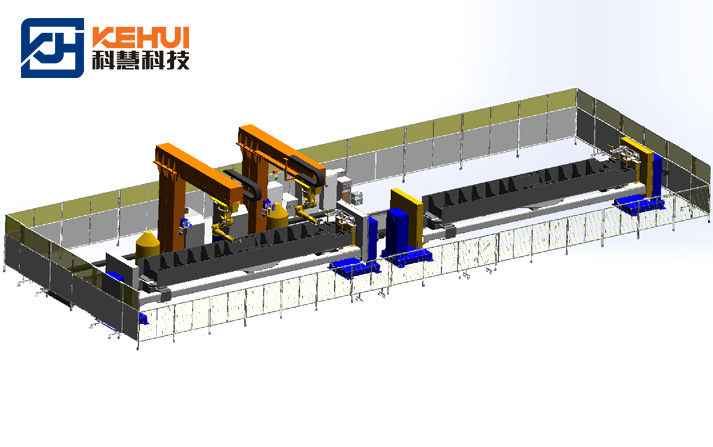
Individually, motion control and process control are powerful.
But the real value of arc welding robots comes from how tightly these technologies are integrated.
Poor integration leads to:
Stable motion but unstable welds
Correct parameters but incorrect torch positioning
High-speed movement with inconsistent penetration
Well-designed arc welding automation systems treat the robot and welding process as a single unit. This is why system integration expertise matters just as much as robot selection.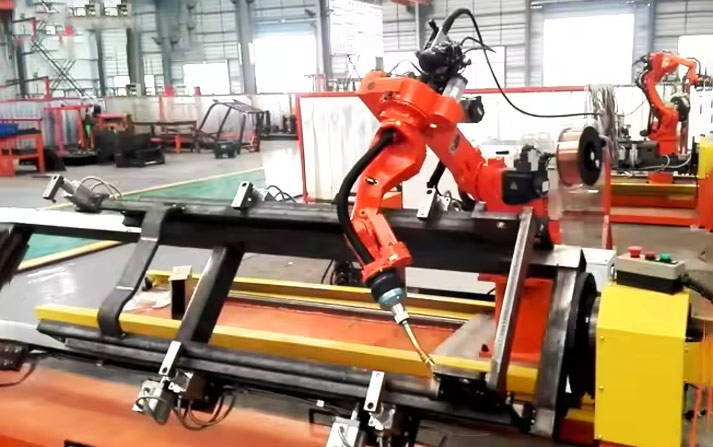
Many manufacturers assume buying a robot equals automation.
In reality, automated arc welding succeeds only when motion control, welding physics, sensors, fixtures, and software are engineered together.
This is the core of modern arc welding in robotics:
Robots follow intelligent paths
Welding systems actively control the arc
Integration ensures repeatability across shifts and operators
When these two technologies are fully synchronized, arc welding robots deliver what manufacturers actually need: stable quality, predictable output, and lower long-term cost.
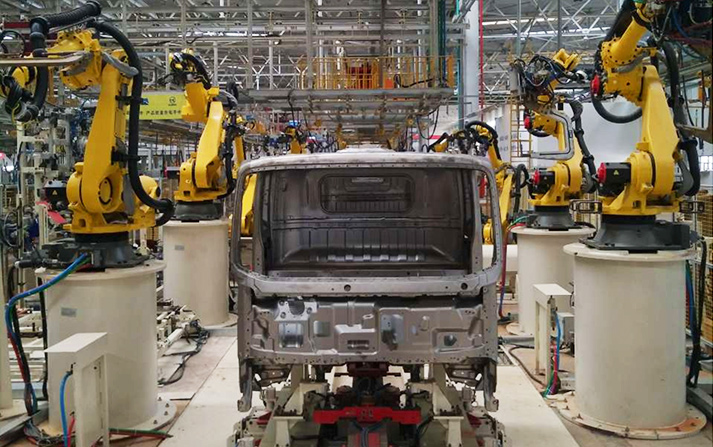
So, which two integrated technologies do arc welding robots use?
The answer is clear:
Robotic motion control with path intelligence
Welding process control with active arc management
Together, they form the foundation of reliable arc welding automation.
Understanding this integration is the first step toward building or choosing a truly effective automated arc welding system.
Zhengzhou Kehui Technology Co., Ltd
Email: info@zzkehui.com





 Chinese
 English
 OA
OA Current location:
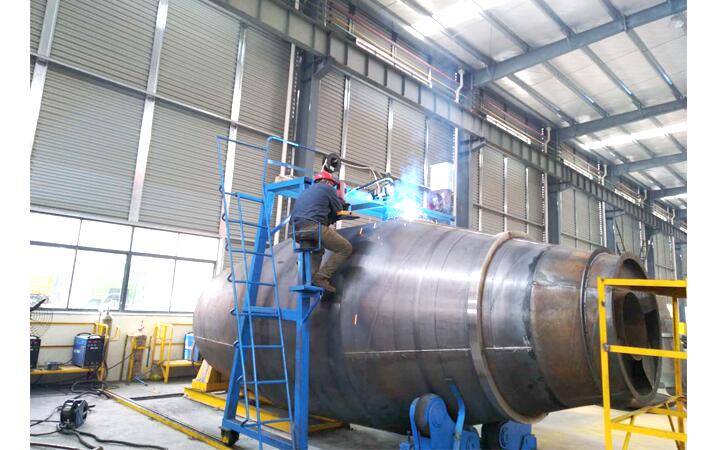 Concrete Mixer Drum Robotic Welding Solutions
 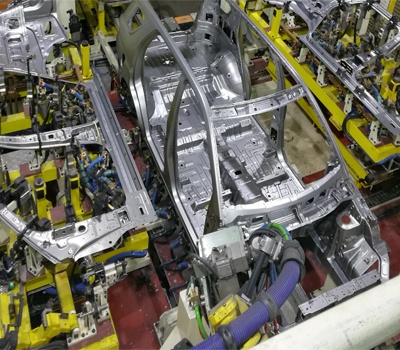 Automobile Body Production Line Welding Fixtures
 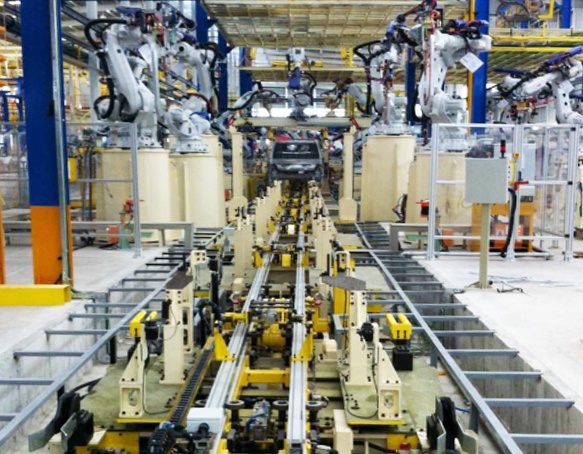 Automotive Body Welding Automated Manufacturing Solutions
 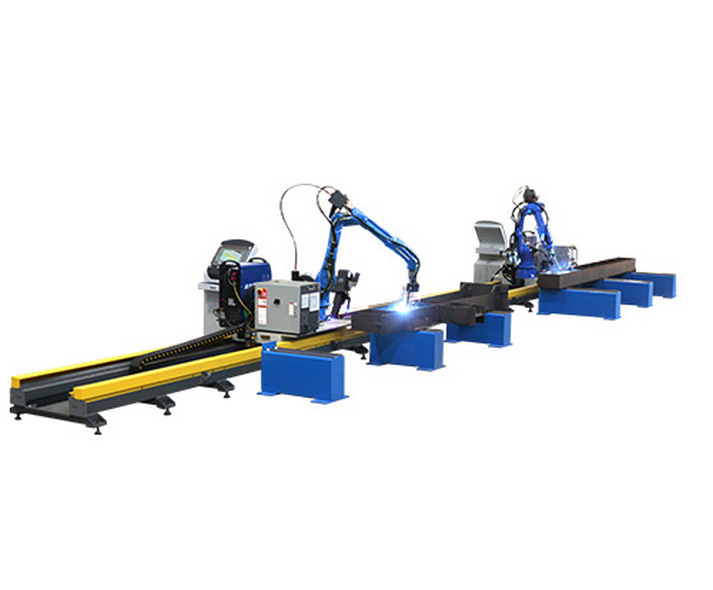 Free-Teaching Programming Welding Robot Cell For I Beam Welding
 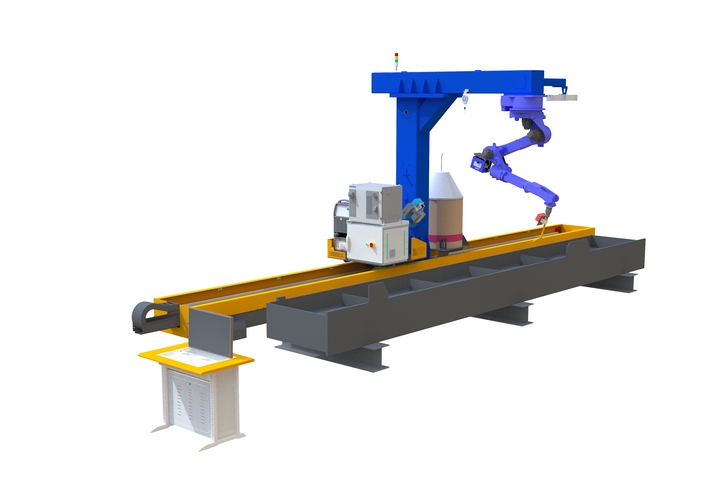 No Programming Required Robotic Welding Systems for H beam Welding Line