Robotic Welding Cell Integration Solutions: From Empty Floor to Production in Weeks
2026-04-17 14:59:51
You have decided to automate. The business case is solid. The ROI calculation works. Now comes the hard part: turning a empty floor space into a productive robotic welding cell that actually delivers on its promises.
This is where robotic welding cell integration solutions separate the professionals from the pretenders. Anyone can sell you a robot. Few can integrate it into your existing workflow, train your team, and have you running production shifts within weeks.
What Makes Integration Different from Installation
Installation is bolting equipment to the floor. Integration is making that equipment work with your parts, your people, and your production schedule. A true welding robot integrator understands this distinction deeply.
When you evaluate robotic welding cell integration solutions, look beyond the hardware list. Ask about the integration methodology. How does the integrator handle part variation? What is their process for developing weld parameters? How do they train your existing welders to become robot supervisors?
These questions lead you to the integrators who have done this before—many times, across many industries.
The Anatomy of a Successful Robotic Welding Cell
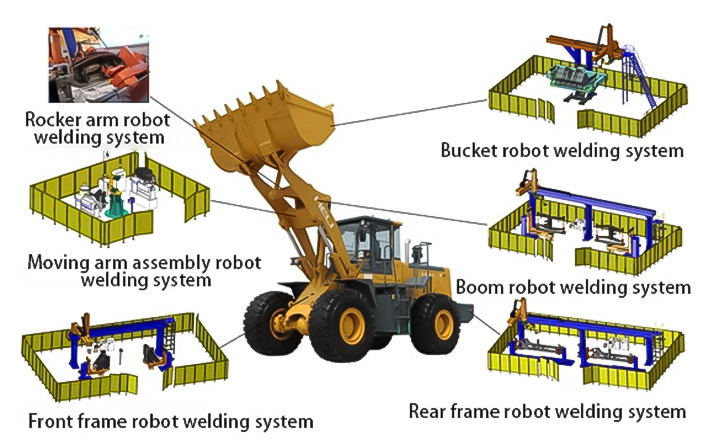
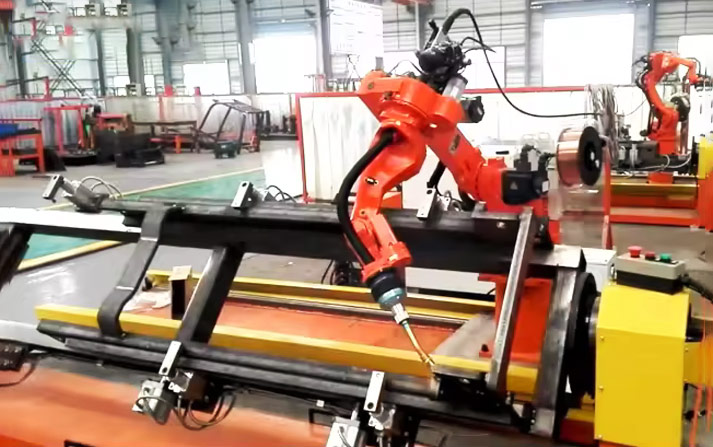
A productive robotic welding cell is more than an arm with a torch. It is a system of interdependent components:
- The robot arm with appropriate reach and payload - The welding power source matched to your materials - The positioner that brings parts to the optimal orientation - The vision system that finds joints and tracks seams - The safety infrastructure that protects your people - The software that programs, monitors, and logs every weld
Integrating these components into a cohesive robotic welding cell requires expertise across multiple engineering disciplines. That is why manufacturers partner with specialized welding robot integrator firms rather than attempting DIY assembly.
Where Most Integrations Go Wrong
The gap between a working robotic welding cell and a failed one is rarely the robot brand. It is almost always the integration approach.
Mistake one: Ignoring part variation. Laboratory conditions do not exist on factory floors. Parts warp. Fixtures wear. Material properties drift. Robotic welding cell integration solutions must account for this reality through adaptive control and seam tracking.
Mistake two: Underestimating programming complexity. A robotic welding cell that requires a PhD to reprogram will collect dust. The best welding robot integrator designs intuitive interfaces that your existing welders can learn in days, not months.
Mistake three: Skipping the data layer. Modern robotic welding cell integration solutions include data capture—every weld parameter logged, every deviation flagged, every electrode life tracked. Without this, you are flying blind.
The Integration Process Step by Step
A methodical welding robot integrator follows a proven sequence:
Step 1: Process audit. They study your parts, your volumes, your quality data. They identify which joints deliver the fastest ROI for robotic welding cell deployment.
Step 2: Simulation and offline programming. Before any steel is cut, the entire robotic welding cell is modeled digitally. Cycle times are verified. Collisions are eliminated. Programs are written.
Step 3: Equipment staging. The integrator assembles and tests the robotic welding cell in their facility. They run your parts. They tune parameters. They prove the process before shipment.
Step 4: On-site installation. The cell arrives, is bolted down, connected to power and gas. A qualified welding robot integrator handles every detail—safety compliance, electrical integration, network connectivity.
Step 5: Commissioning and training. Your team learns to operate, program, and maintain the robotic welding cell. The integrator stays until first-pass yield meets your target.
Step 6: Ongoing support. Even after launch, the best robotic welding cell integration solutions include remote monitoring, spare parts availability, and on-call engineering.
Why Experience Matters in Integration
A robotic welding cell integrated by a novice will reveal itself within weeks. Torch crashes. Positioner drift. Welds that pass inspection today but fail tomorrow.
An integrator with decades of experience anticipates these problems. They build in margin. They design for maintenance access. They specify components that work together, not just individually.
We have been delivering robotic welding cell integration solutions since 1994. That is thirty years of learning what breaks, what wears, and what keeps running shift after shift. Our robotic welding cell designs have evolved through thousands of installations across dozens of industries.
Global Capability, Local Support
A welding robot integrator who only serves your region is fine until you expand. We have shipped robotic welding cell systems to manufacturers in over fifty countries. We hold CE certification and all required export documentation. Our engineers travel wherever you need them—for installation, for training, for emergency troubleshooting.
We price competitively because we have optimized our supply chain and our processes. We deliver quickly because we maintain inventory and we know our lead times. No surprises. No excuses.
The Bottom Line
Finding the right robotic welding cell integration solutions means finding a welding robot integrator who treats your production targets as their own. Who stays until the cell runs right. Who answers the phone when something goes wrong.
We have been that integrator for thirty years. For manufacturers on five continents. For applications from automotive chassis to heavy equipment to shipbuilding.
Let us build your robotic welding cell—the right way, the first time.
Contact us with your part drawing and production volume. We will respond with a proposal, a timeline, and a price that works.





 Chinese
 English
 OA
OA Current location:
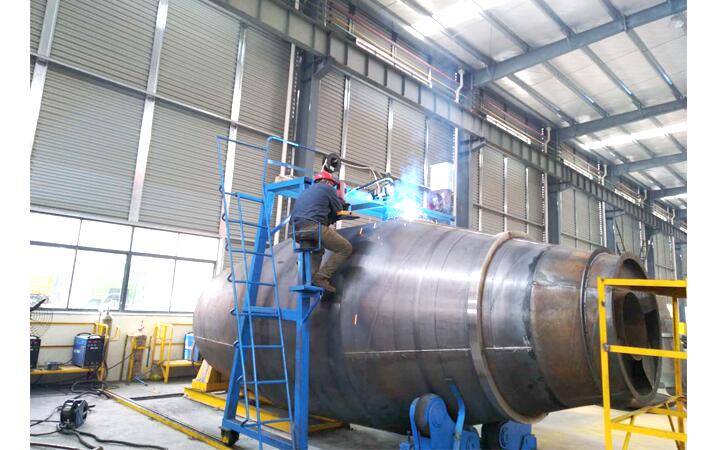 Concrete Mixer Drum Robotic Welding Solutions
 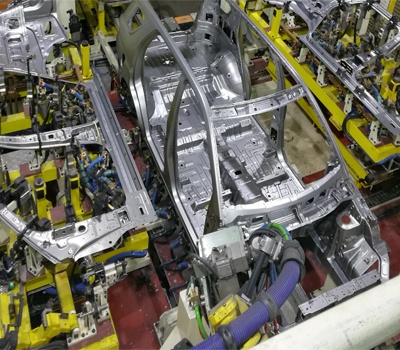 Automobile Body Production Line Welding Fixtures
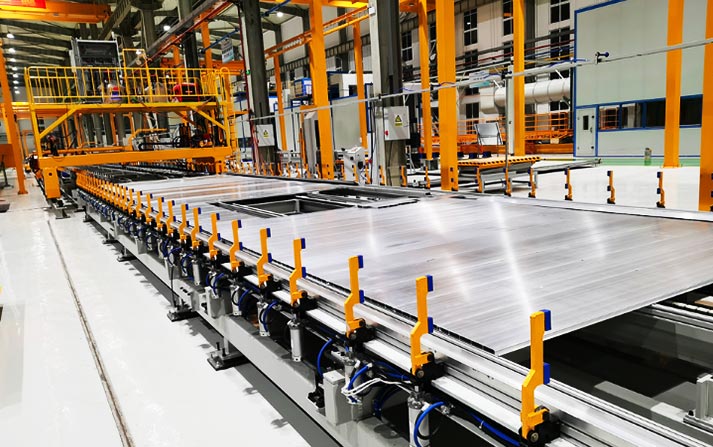
 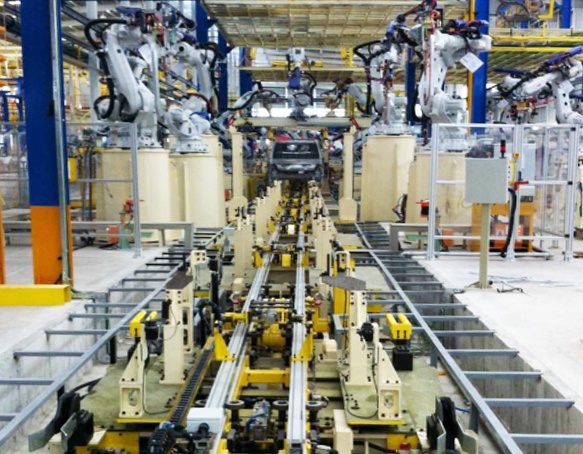 Automotive Body Welding Automated Manufacturing Solutions
 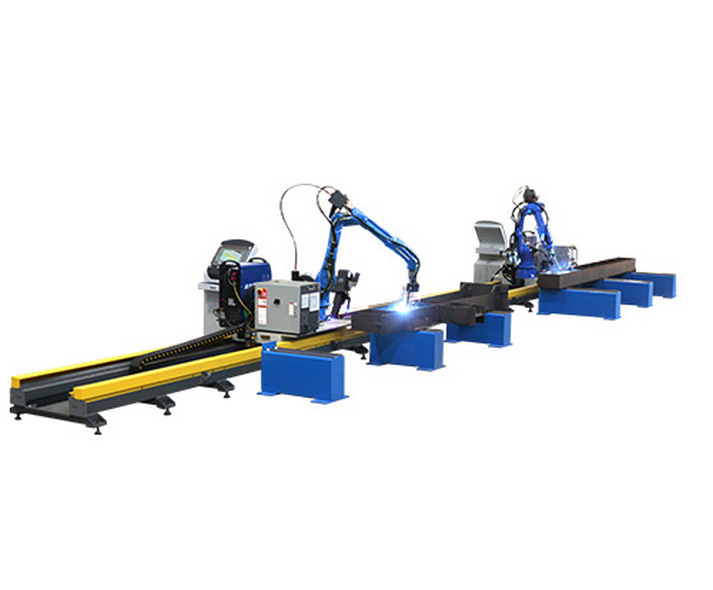 Free-Teaching Programming Welding Robot Cell For I Beam Welding
 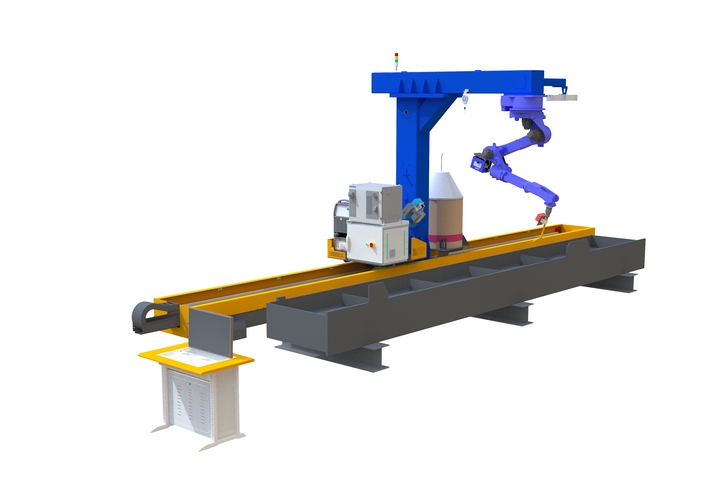 No Programming Required Robotic Welding Systems for H beam Welding Line