+86 15633683072
I remember walking through a condenser fabrication shop in South Korea. The floor was covered with tubesheets—massive circular plates, each drilled with thousands of holes. Workers were moving between them with TIG torches, welding tube after tube by hand. The foreman told me they had six weeks to finish one condenser. If the reject rate stayed above 5%, they would miss the deadline.
That shop switched to automated welding two years later. Same tubesheets. Same materials. Same production volume. The reject rate dropped below 1%. The six-week timeline became four.
This is what automatic tube to tube sheet welding for condenser manufacturing actually delivers. Not just better welds—predictable production.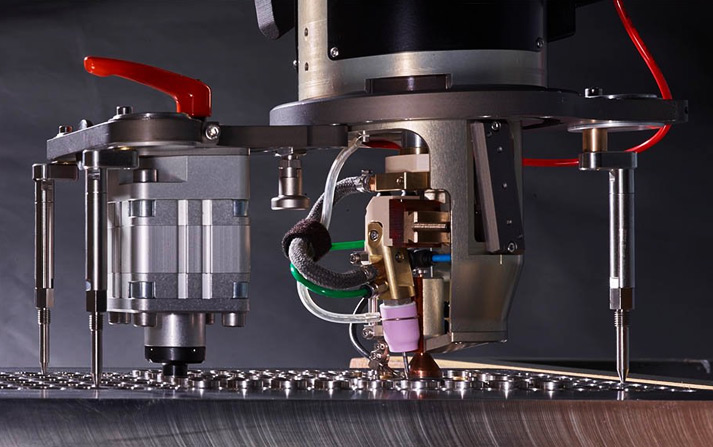
Condensers are not like other shell-and-tube equipment. They are bigger. The tubesheets are thicker. The tube counts are higher. And the service conditions—seawater cooling, thermal cycling, vacuum operation—are brutal.
Industrial condenser tube welding has to account for all of this. Titanium tubes in a titanium-clad tubesheet. Stainless tubes in a carbon steel plate. Copper-nickel tubes in a naval brass header. Each combination demands its own weld parameters.
The condenser tube to tubesheet welding joint must be leak-tight, corrosion-resistant, and strong enough to survive decades of thermal cycling. A single failed joint in a power plant condenser can force a unit offline for weeks.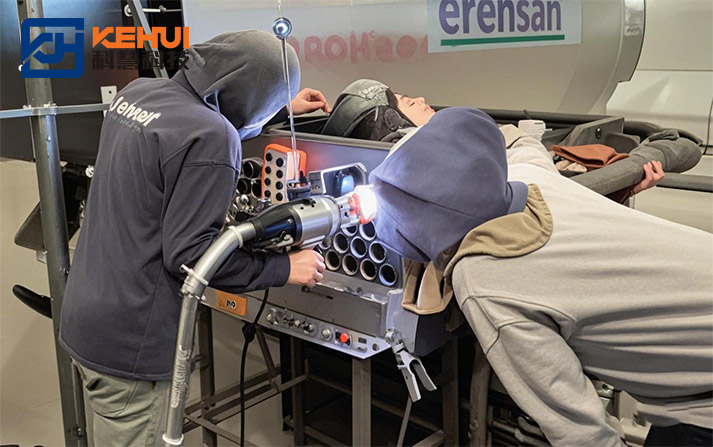
Walk into any condenser shop that still welds by hand. You will see the same scene. A welder is hunched over a tubesheet, torch in hand, trying to orbit around a tube. The bundle is dense. Visibility is poor. Their arm is braced against adjacent tubes.
Here is what happens that they cannot fully control:
Arc length drifts as the torch orbits
Travel speed fluctuates with fatigue
Gas coverage gets disrupted when the torch angle changes
The puddle fights gravity at different positions
Common defects in industrial condenser tube welding include porosity, incomplete fusion, and lack of penetration at the tube-to-tubesheet interface. These create leak paths that show up during hydrotest—or worse, during operation.
One shop we worked with was scrapping nearly 10% of their condenser tube to tubesheet welding joints because of inconsistent penetration. Their welders were certified. Their procedure was qualified. But the job was too demanding for human consistency.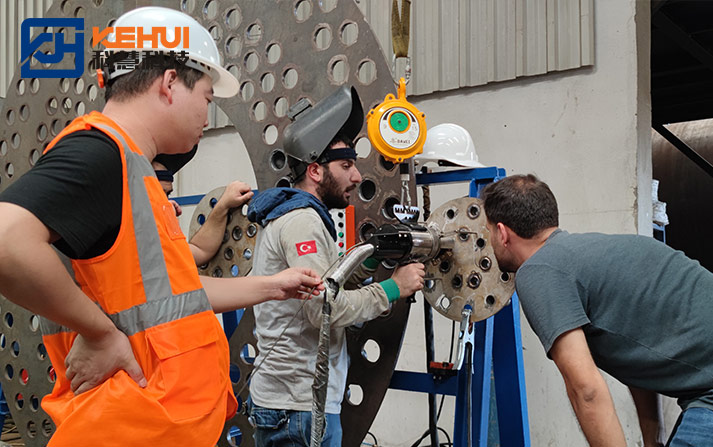
The shift to automatic tube to tube sheet welding for condenser manufacturing is driven by one thing: consistency.
An automatic condenser tube sheet welding machine uses a programmable welding head that rotates around the tube end, depositing a controlled TIG weld with precise heat input, travel speed, and wire feed. The mechanized process delivers consistent penetration, complete fusion, and defect-free joints on every tube.
Here is what that means in practice:
Consistency. The automatic condenser tube sheet welding machine maintains constant arc length electronically. Travel speed is precision-geared. Current pulses according to a schedule developed for that specific material and wall thickness. Every weld is identical to the last.
Productivity. One operator can manage multiple weld heads simultaneously. Industrial condenser tube welding becomes a monitoring job rather than a manual skill. Production jumps 40-60%.
Access. Weld heads fit into tight tube lanes where a manual welder cannot even see the joint. The tube to tubesheet orbital welding head centers itself on the tube ID using expanding mandrels.
Reduced rework. Fabricators who switch to automatic tube to tube sheet welding for condenser manufacturing typically see reject rates drop from double digits to under 2%.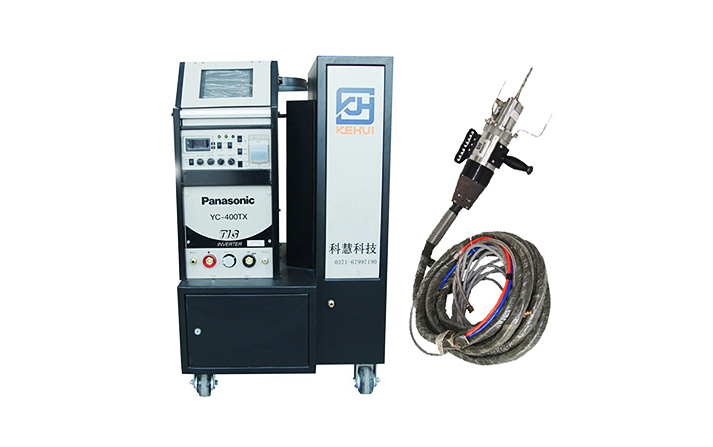
A proper automatic condenser tube sheet welding machine for condenser applications includes several key features.
Tube diameter range. Condenser tubes typically run from 12 mm to 50 mm, though some larger units use tubes up to 80 mm. The machine must handle your specific range.
Joint configurations. Flush, protruding, and recessed tube ends. Both autogenous (fusion-only) and filler-wire welding modes. The tube to tubesheet orbital welding head must adapt to each.
Cooling. Water-cooled heads prevent overheating during extended production runs. Condenser fabrication often involves thousands of tubes per unit—duty cycle matters.
Programmability. The automatic condenser tube sheet welding machine stores multiple weld schedules for different tube sizes, materials, and joint configurations.
Data logging. Traceability is increasingly important for power plant and nuclear condenser work. The machine records parameters for every weld.
Automatic tube to tube sheet welding for condenser manufacturing adapts to a wide range of materials.
Titanium condensers. Seawater-cooled power plants often use titanium tubes. Titanium is sensitive to contamination and requires exceptional gas coverage. The tube to tubesheet orbital welding head must deliver a tight argon shield to prevent oxidation and embrittlement.
Stainless steel condensers. Common in industrial refrigeration and HVAC. Stainless welds cleanly with TIG but requires precise heat input to avoid sensitization.
Copper-nickel condensers. Used in marine and desalination applications. Copper-nickel has high thermal conductivity, which means heat input must be carefully controlled to avoid burn-through.
Dissimilar metal joints. Stainless tubes in carbon steel tubesheets. Titanium tubes in titanium-clad plates. Each combination requires its own procedure and its own weld schedule in the automatic condenser tube sheet welding machine.
We build automatic condenser tube sheet welding machine systems. Every week, we get calls from condenser fabricators frustrated with manual welding. They have tried different filler metals, different preheat, different welders. Nothing fixes the inconsistency.
We invite them to our facility, run samples on their material, and show them the difference. They see perfect fusion, consistent penetration, no porosity. Then we design a system for their specific tube sizes and joint geometries.
Within a month, their reject rates drop, their throughput increases, and their welders stop dreading tube bundles. One customer building large power plant condensers saw their reject rate drop from 8% to under 1% after switching to automatic tube to tube sheet welding for condenser manufacturing. The equipment paid for itself in six months.
Industrial condenser tube welding is too critical for guesswork. Every joint carries load, resists pressure, and endures thermal cycles. Manual welding cannot deliver the consistency required for reliable, long-lasting condensers. Automatic tube to tube sheet welding for condenser manufacturing can.
The automatic condenser tube sheet welding machine eliminates the variability that causes defects. It increases productivity. It reduces rework. It gives you confidence that every joint in every bundle meets code requirements.
If you are still welding condenser tubes by hand, ask yourself: how much rework are you accepting? How many field failures are you risking? How much productivity are you losing?
The answers will point you toward a better tube to tubesheet orbital welding solution.
Automatic tube to tube sheet welding for condenser manufacturing is a mechanized TIG welding process where a programmable head rotates around each tube end, creating consistent, defect-free joints. It replaces manual welding for condenser tube to tubesheet welding and delivers repeatable results on every joint.
An automatic condenser tube sheet welding machine maintains constant arc length, travel speed, and heat input on every weld. Manual welding varies with operator fatigue and technique. The result is fewer defects, less rework, and higher productivity in industrial condenser tube welding.
Tube to tubesheet orbital welding systems handle titanium, stainless steel, copper-nickel, brass, and dissimilar metal combinations. The weld schedule is programmed for each material and wall thickness. The automatic condenser tube sheet welding machine stores multiple schedules for different jobs.
Automatic tube to tube sheet welding for condenser manufacturing eliminates the human variability that causes defects. Reject rates typically drop from double digits to under 2%. The automatic condenser tube sheet welding machine executes the qualified procedure exactly the same way on every joint.
Yes, if the machine has adjustable tooling and programmable schedules. The tube to tubesheet orbital welding head can be sized for different tube diameters, and the automatic condenser tube sheet welding machine can store schedules for multiple tube sizes and materials.
ASME Section VIII covers pressure vessels, including condensers. Procedures are qualified per ASME Section IX. HEI standards also apply to power plant condensers. An automatic condenser tube sheet welding machine helps you consistently reproduce the qualified procedure for industrial condenser tube welding.
Typically one week. The skill shifts from torch manipulation to programming, setup, and monitoring. Most certified welders adapt quickly. The automatic condenser tube sheet welding machine makes condenser tube to tubesheet welding more consistent regardless of operator experience.
Zhengzhou Kehui Technology Co., Ltd
Email: info@zzkehui.com





 Chinese
 English
 OA
OA Current location:
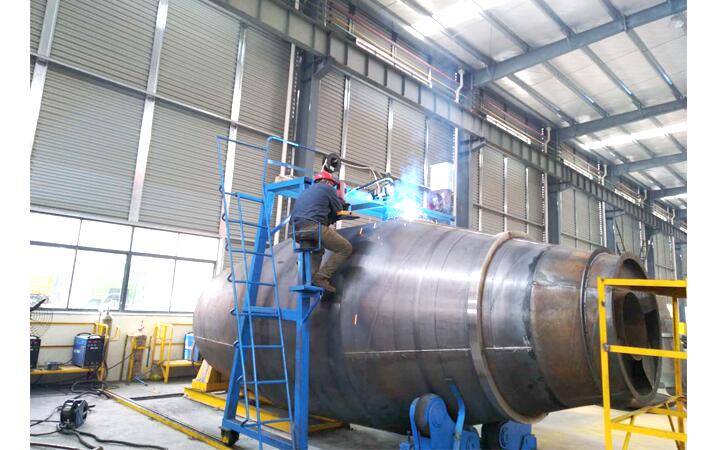 Concrete Mixer Drum Robotic Welding Solutions
 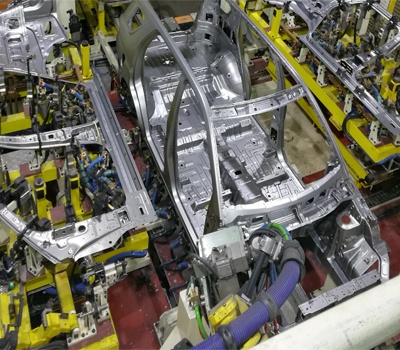 Automobile Body Production Line Welding Fixtures
 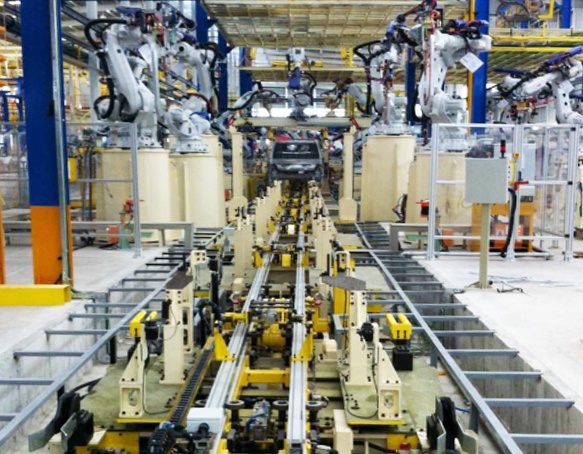 Automotive Body Welding Automated Manufacturing Solutions
 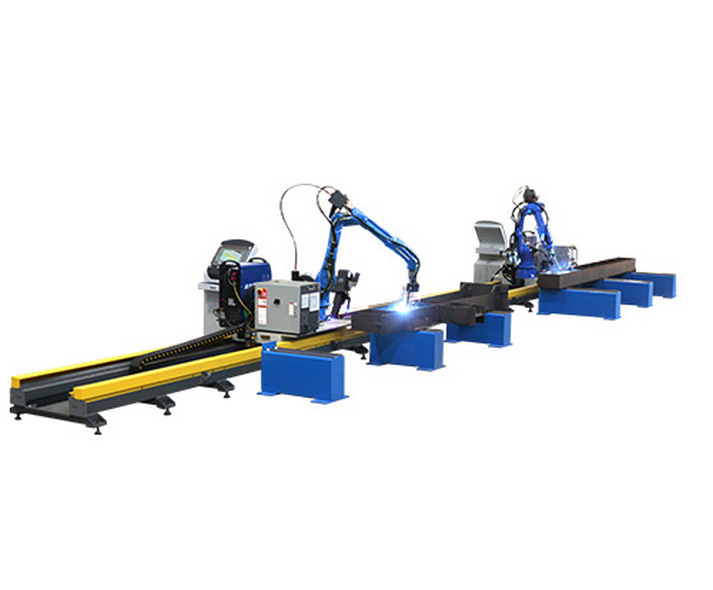 Free-Teaching Programming Welding Robot Cell For I Beam Welding
 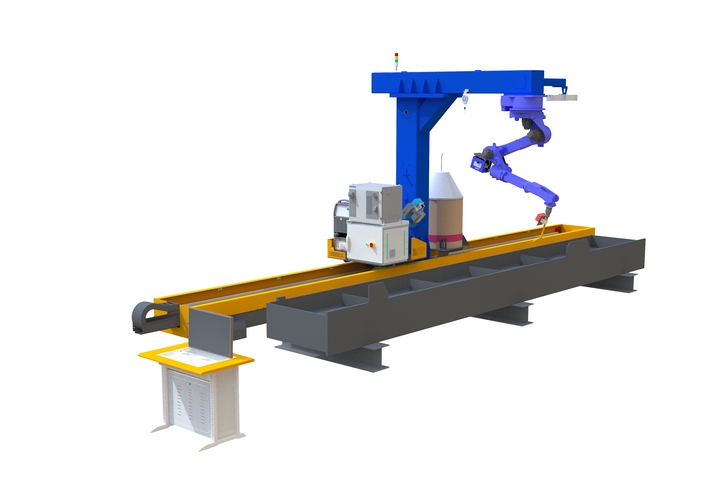 No Programming Required Robotic Welding Systems for H beam Welding Line