+86 15633683072
Usually, no. One tube-to-tubesheet welding procedure cannot be applied to every heat exchanger because tube diameter, wall thickness, material, tube projection, fit-up, and joint design can all affect welding results.
However, a qualified procedure can often be reused when these key conditions remain sufficiently similar. Instead of creating a completely new procedure for every heat exchanger, manufacturers can establish standard welding procedures and modify only the parameters affected by product changes.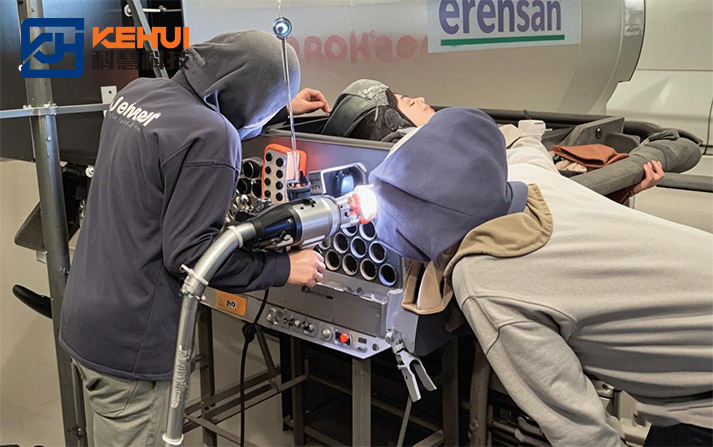
In heat exchanger tube welding, the welding machine is only one part of the process. The joint itself determines how much heat, current, travel speed, and arc control are required.
For example, two heat exchangers may use the same stainless steel tubes but have different tube diameters or wall thicknesses. Using exactly the same welding parameters may result in insufficient fusion on one joint or excessive heat input on another.
The main variables are:
Tube size directly affects the weld geometry and required heat input.
A small-diameter, thin-wall tube normally requires tighter control of current and heat input than a larger, thicker tube. Therefore, tube to tubesheet welding parameters often need adjustment when tube dimensions change.
Different combinations of tube and tubesheet materials have different thermal and metallurgical characteristics.
Stainless steel, carbon steel, nickel alloys, titanium, and other materials may require different current ranges, shielding conditions, travel speeds, or pre-welding preparation.
A welding procedure that works well for one material combination should not automatically be transferred to another without validation.
Tube projection is another important variable in heat exchanger tube welding.
If the tube extends too far from the tubesheet, the weld geometry and heat distribution can change. Tube hole clearance and alignment also affect arc positioning and weld formation.
Consistent tube projection and fit-up are therefore important when transferring a welding procedure from one heat exchanger to another.
Not all tube-to-tubesheet joints have the same geometry.
The required procedure can differ depending on whether the application uses a seal weld, strength weld, or another joint configuration.
For tube sheet seal welding, leak-tightness is usually a key requirement, so arc stability and heat input must be controlled carefully.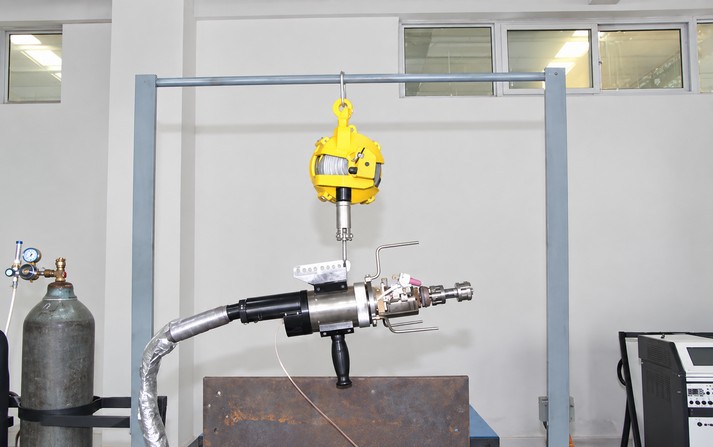
Yes, when the critical welding conditions remain similar.
A manufacturer may reuse a procedure when:
In this situation, the manufacturer may only need to fine-tune parameters rather than develop a completely new procedure.
The important point is that procedure reuse should be based on controlled variables, not simply on the fact that two heat exchangers look similar.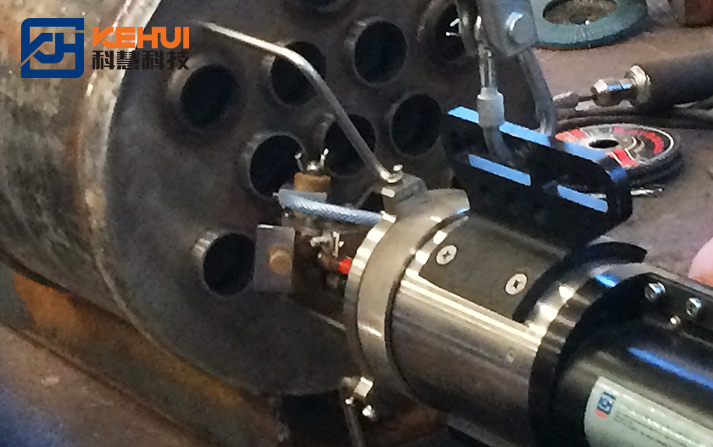
A modern tube to tubesheet welding system can help manufacturers manage different heat exchanger designs by storing multiple welding programs.
Instead of manually setting the machine for every tube, the operator can select the corresponding program according to:
This approach is especially useful for manufacturers producing several heat exchanger models.
An Automatic Tube-to-Tubesheet TIG Welding Machine can execute these predefined parameters with controlled torch movement and repeatable welding cycles.
The machine does not replace the welding procedure. It provides a more consistent way to execute the procedure.
It is also important to distinguish a welded plate heat exchanger from a conventional shell-and-tube heat exchanger.
A welded plate heat exchanger uses plates and welded plate joints rather than the traditional arrangement of tubes inserted into a tubesheet. Therefore, a tube-to-tubesheet welding procedure is not directly applicable to every welded plate heat exchanger.
For manufacturers working with several heat exchanger designs, welding procedures should be organized according to the actual joint structure rather than simply using “heat exchanger” as the classification.
Consider a manufacturer producing three heat exchanger models:
| Model | Tube Condition | Welding Approach |
|---|---|---|
| A | Small diameter, thin wall | Low heat input |
| B | Medium diameter, standard wall | Standard TIG parameters |
| C | Larger diameter, thicker wall | Higher heat input and adjusted travel speed |
The manufacturer does not necessarily need three completely different welding systems.
Instead, a tube to tubesheet welding system can use three validated programs, with each program matched to the corresponding joint.
For production, the operator selects the correct program, checks tube projection and fit-up, and starts the welding cycle.
This is much more practical than allowing operators to manually adjust welding parameters for every tube.
A useful heat exchanger tube welding procedure should define more than welding current.
Depending on the application, it may include:
When these variables are documented, manufacturers can determine more easily whether an existing procedure can be transferred to a new product.
The practical solution is to create a controlled procedure library rather than developing a new welding process from zero for every order.
For example, a factory may maintain programs for:
When a new heat exchanger is introduced, engineers can compare its joint conditions with existing procedures.
If the critical variables fall within the qualified range, the existing procedure may be reused. If not, the relevant parameters can be modified and validated.
This makes heat exchanger tube welding easier to standardize across different production orders.
A common mistake is to assume that buying an automatic welding machine automatically provides a universal welding solution.
It does not.
The machine provides controlled movement, arc control, parameter storage, and repeatability. The welding procedure determines how those functions should be used for a particular joint.
For this reason, selecting an Automatic Tube-to-Tubesheet TIG Welding Machine should be based not only on tube diameter or machine specifications, but also on whether the equipment can support the manufacturer's actual welding procedures.
A flexible tube to tubesheet welding system should make it easy to create, store, adjust, and repeat different welding programs.
Before applying an existing procedure to a new heat exchanger, check:
If most critical conditions remain unchanged, the existing procedure may be reusable.
If several variables have changed, the procedure should be reviewed and validated before production.
No. A procedure can be reused only when critical variables such as materials, tube dimensions, joint geometry, and fit-up remain within the qualified range.
Yes. Changes in tube diameter and wall thickness can affect heat input, weld geometry, travel speed, and current requirements.
Yes. Tube projection influences torch positioning and weld geometry, so it should be controlled consistently during production.
Yes, provided the equipment supports multiple welding programs and the corresponding procedures have been properly developed and validated.
Not necessarily. Seal welding focuses strongly on leak-tightness, while strength welding has different structural requirements. The welding procedure should be selected according to the joint's purpose.
A single tube-to-tubesheet welding procedure should not be assumed to work for every heat exchanger. The better approach is to identify the critical joint variables, establish qualified procedures, and reuse them where conditions remain comparable.
For manufacturers producing different heat exchanger models, an Automatic Tube-to-Tubesheet TIG Welding Machine and flexible tube to tubesheet welding system can provide a practical platform for storing and executing multiple welding procedures.
The goal is not to create one universal procedure. It is to create a controlled welding process that can adapt to different heat exchanger designs without sacrificing repeatability.
Zhengzhou Kehui Technology Co., Ltd
Email: info@zzkehui.com





 Chinese
 English
 OA
OA Current location:
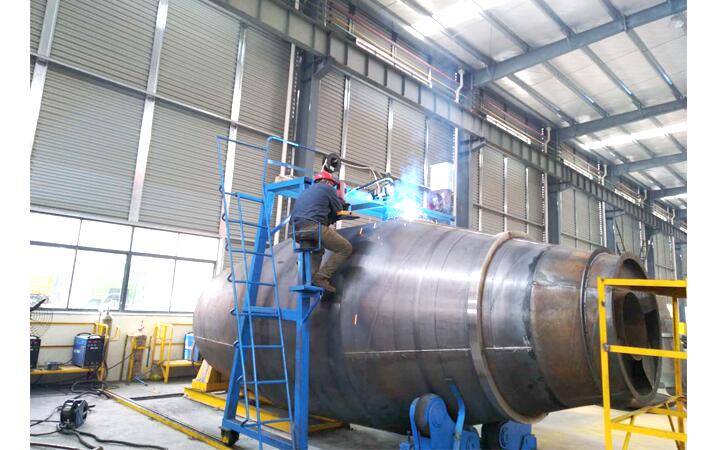 Concrete Mixer Drum Robotic Welding Solutions
 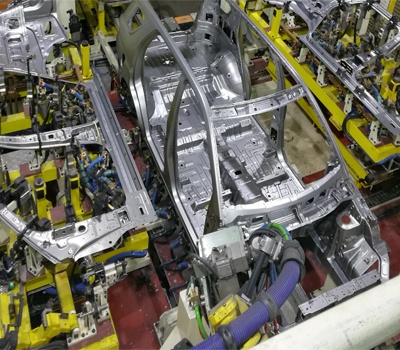 Automobile Body Production Line Welding Fixtures
 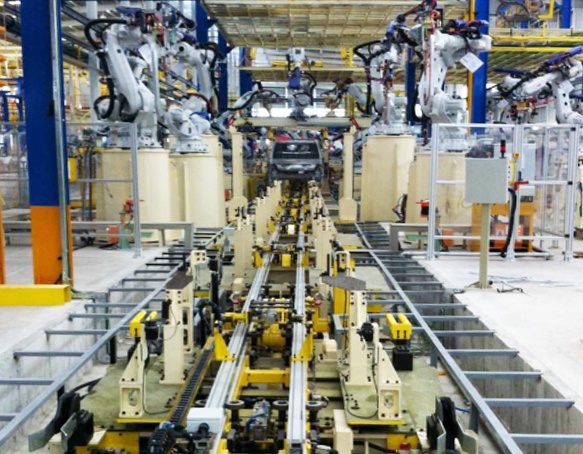 Automotive Body Welding Automated Manufacturing Solutions
 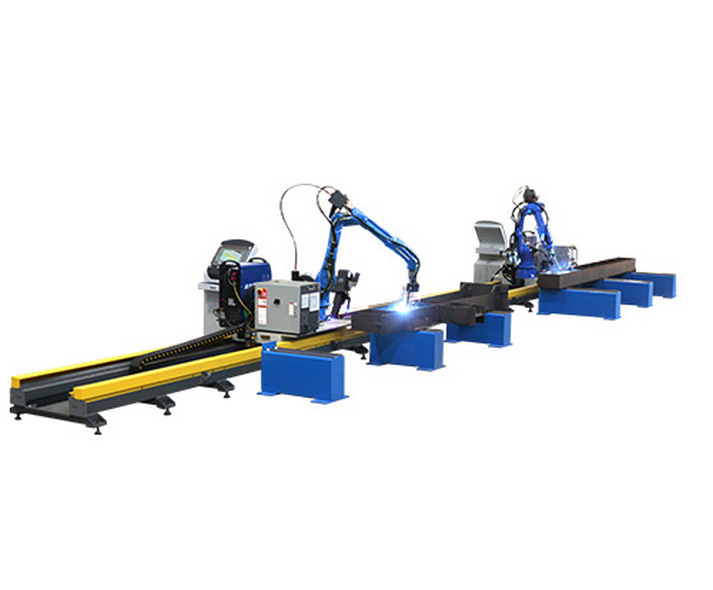 Free-Teaching Programming Welding Robot Cell For I Beam Welding
 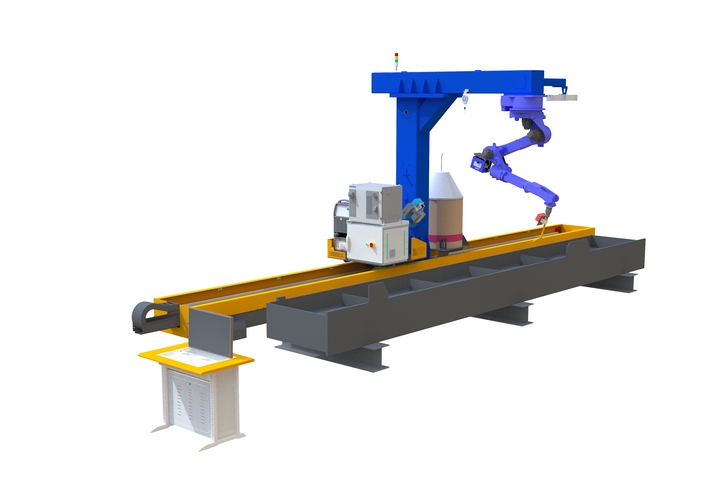 No Programming Required Robotic Welding Systems for H beam Welding Line